When I first started traveling by myself, I was a college student on a very tight budget. I saw people traveling to Paris or Lima and all I saw were the gorgeous photos, the highlights. Going from my dorm room to the Eiffel Tower was overwhelming, so I took out my computer, a blank Word document and started writing out the steps. I built myself an itinerary, tracking my trip from start to finish with dates, prices, and locations. After dozens of trips, I can break down my process into three simple steps:
Finding Inspiration:
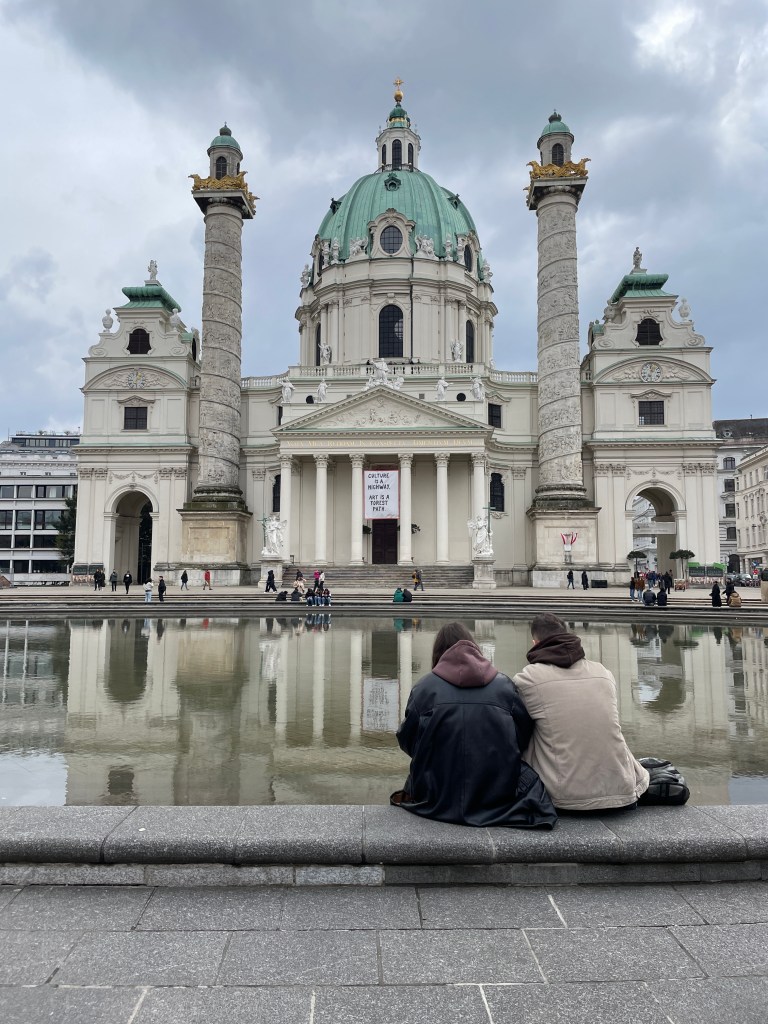
Besides the trip itself, getting inspired to travel is my favorite part of the process. Who doesn’t love looking at a map and imagining themselves riding horses in Mongolia? Or snorkeling in the Great Barrier Reef? Sometimes, I find myself just exploring the coastline along Washington and Oregon on Google Maps/Google Images, imagining future road trips. This act of imagining and researching is part of the creative process. Some questions to ask to help you get inspired:
- Do you want to relax or explore, learn about a new culture or travel closer to home?
- Do you want a bucket list trip or is the goal to travel on a budget?
- Is this a solo trip or a group trip? A trip with family or friends?
- What season are you traveling in?
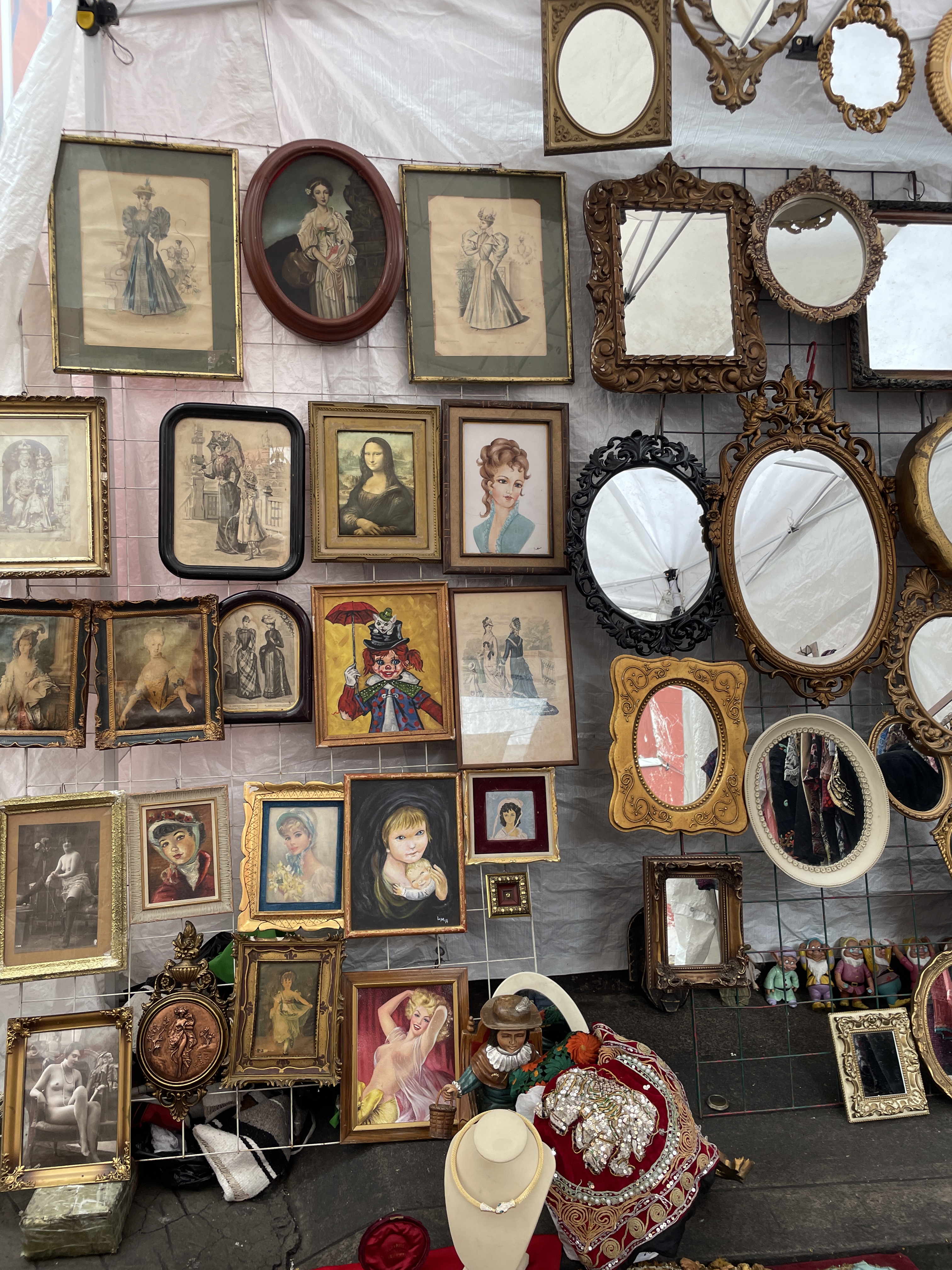
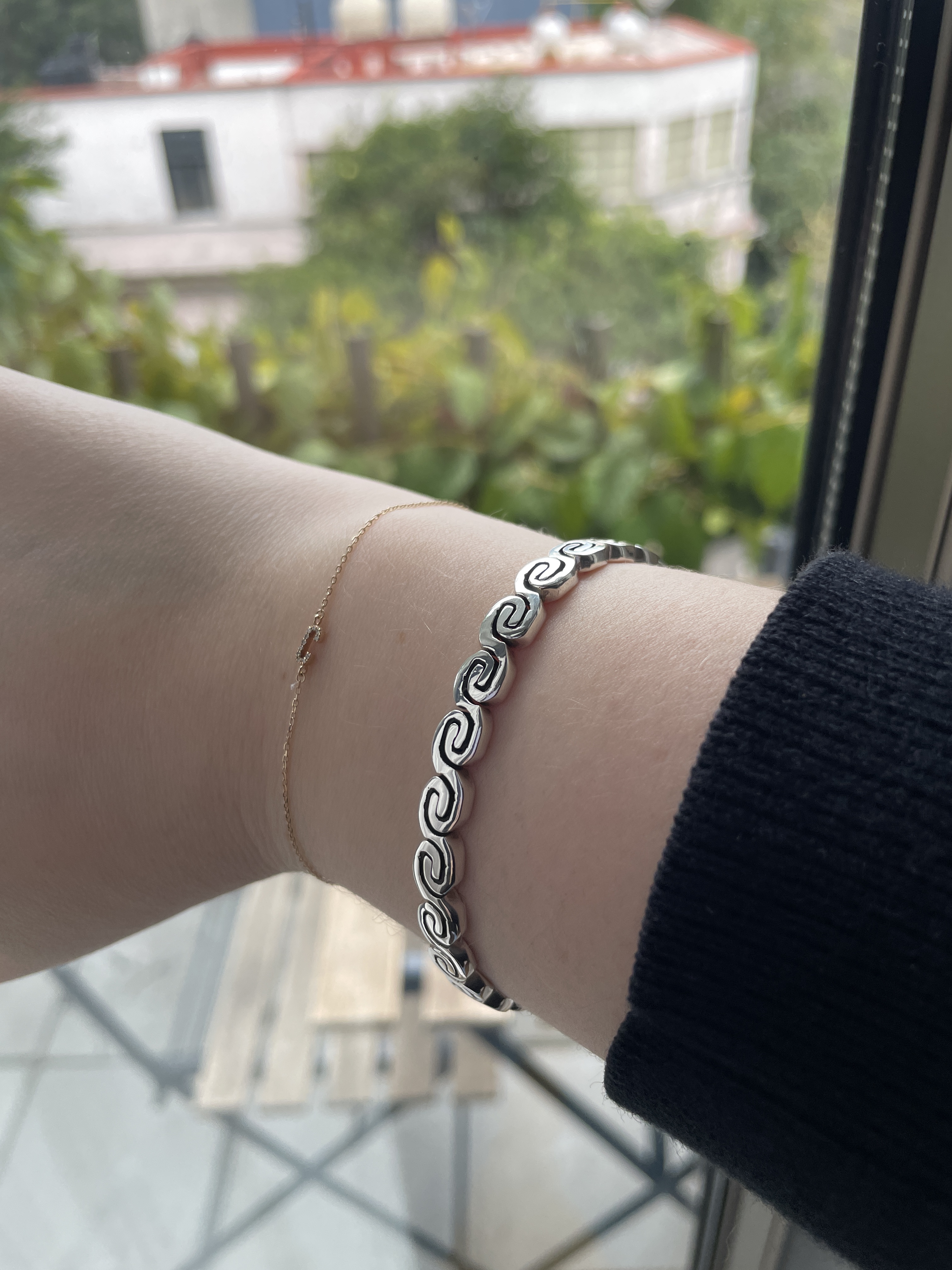
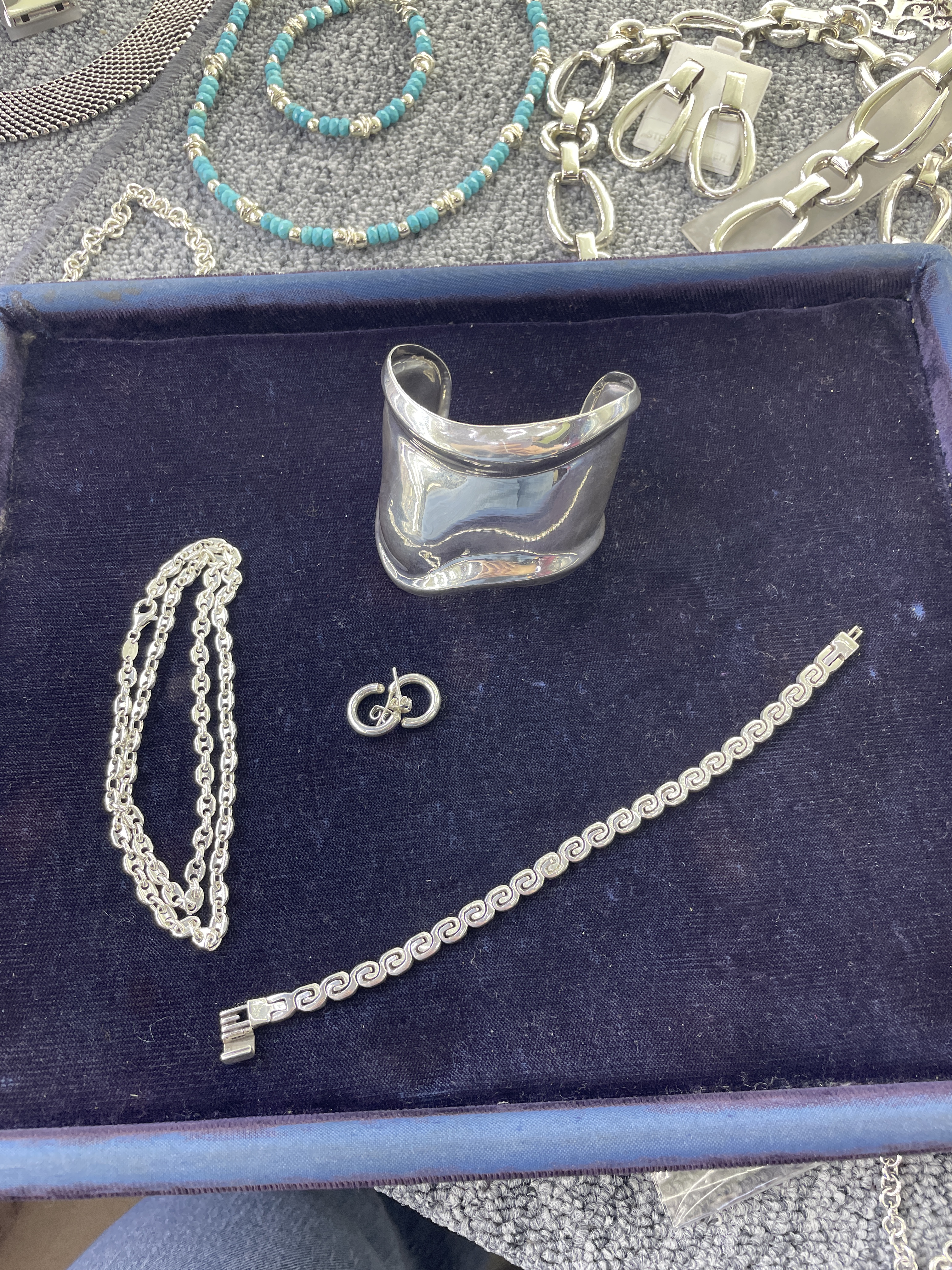
I have a travel bucket list, that I like to update at the start of the year. When I start planning my trips for that year, I refer to the list, trying to check one or two cities off. I will also use social media to look at photos, videos, and reviews of the places I am thinking about visiting. On TikTok, I learned that there is amazing silver jewelry and flea markets in Mexico City. I built this into my itinerary in 2024 and bought one of the most beautiful bracelets that I now own. I also love travel websites, film & tv, and mapping sites (such as Google Maps) for a city’s “greatest hits.” But when I want to know about more unique experiences, I go down a social media rabbit hole.
- Timeline: 1-6 months before a trip, depending on the type. I recommend 4-7 months for longer trips/international trips. Shorter/closer/spontaneous trips can be planned with less time.
- Tools Needed: Social Media, Any Map App, Movies and Television
- Carly’s Tip: I save social media posts in a labeled folder (either screenshots or within certain apps) for inspiration. This way, I can remember the small bistro in Paris that I saw on Instagram 3 weeks ago, because it went straight into the “Paris folder” for my Photos.
Planning and Booking:
Behind the scenes of my beautiful travel pictures and bucket list moments, are coordinated Google Documents, Google Calendar entries, and a spreadsheet tracking my expenses. I am going to be real; travel logistics are my least favorite part of the travel process. Even as a Type A, organized person, I always have that fear: I booked my plane for the wrong day, converted time zones wrong, or unknowingly booked the tour from hell. (Spoiler alert: you will recover from all of these mistakes, even if you make them.)
I prefer to map out my trip from start to finish, breaking down my activities for each day. Links to tours, hotel reservations, airline ticket confirmation numbers, and restaurant reservations all get added to a Google Document. I then share the document with loved ones, so someone always knows approximately where I should be on my trip. I also send out a calendar entry to loved ones with the exact dates of my trips and a link to my hotel/hostel/AirBnB.
- Timeline: Once I know where I am going, I book big ticket items such as flights and hotels within a week or two after deciding the destination (meaning months in advance). Excursions, tours, etc. can be booked 3-8 weeks out.
- Tools Needed: Google Document and Google Calendar (or your preferred admin set up).
- Carly’s Tip: My favorite time to travel is “shoulder season,” months like April, May, September, and October. I try to overlap trips with public holidays during these months, create alerts for cheap flights, a book ~6 months in advance to get good deals on hotels.


Budgeting:
What’s sexier than an Excel spreadsheet? Almost everything short of a manila envelope or fax machine (do people still have those?). The organized sister of a Google Document with an integrated itinerary is a simple spreadsheet with your projected expenses. For traveling, I keep my categories very simple: Transportation, Food, Lodging, Tours, and Other. One column has the projected expenses (you can use a search engine to estimate totals) and another column has the actual expenses. The “other” category is broad, but I try to think about how I will be spending money on each trip. For example, I budget for baggage fees on long haul flights, conversion rates and entry fees in foreign countries, souvenirs or general shopping, and spa experience on a birthday trip. By writing up my budget in advance, I can divide the amount I need to save by the number of months I have until my trip. An essential step, budgeting helps me enjoy my trips because I know I can afford the experiences I booked.
- Timeline: Budgeting is very personal, so timeline is not prescriptive here. For some people, setting a budget at the beginning of the year might make sense, informing your travel destinations. If the destinations inform your budget, though, you might need to save differently. Overall, I would say create a planned budget before you start booking parts of the trip. You might realize that flights are super cheap to a destination but all of the hotels are 4 stars and above.
- Tools Needed: Excel Spreadsheet, Google Sheets, etc.
- Carly’s Tip: Look up an approximate budget and decide which of my categories will be strict vs. loose. When I traveled to Iceland, I spent money on excursions to see the Northern Lights, swim in the Blue Lagoon, and see black, volcanic beaches. To save money, I packed oatmeal packets and stayed in a hostel. To me, Tours was the most important category, so I cut Lodging and Food down.
Overall:

At the beginning of the year, I spend a lot of my time getting excited about my trips for the year. I can smell the sunscreen and bug spray, imagine boarding a red eye plane, and sitting behind the wheel for a road trip. Winter is my season for nesting – organizing, booking, planning, and writing out my itineraries. You don’t have to be as excited about this stage — what can feel like all of the work before the fun of traveling. But I am here to tell you, this work makes it easy and stress-free to visit new places. So, I hope you can use some of my organization tips to help plan your trips this year!
Related Posts:
Wanna read another post like this? Click on the links below!
Pros and Cons of Being a Travel Companion
Planning trips is as much about who you travel with as where you go. I’m sharing my real pros and cons as a travel companion — the good, the chaotic, and the slightly hangry. Try it yourself before your next weekend trip with friends.

My Travel Essentials: Must-Have Items for Every Trip
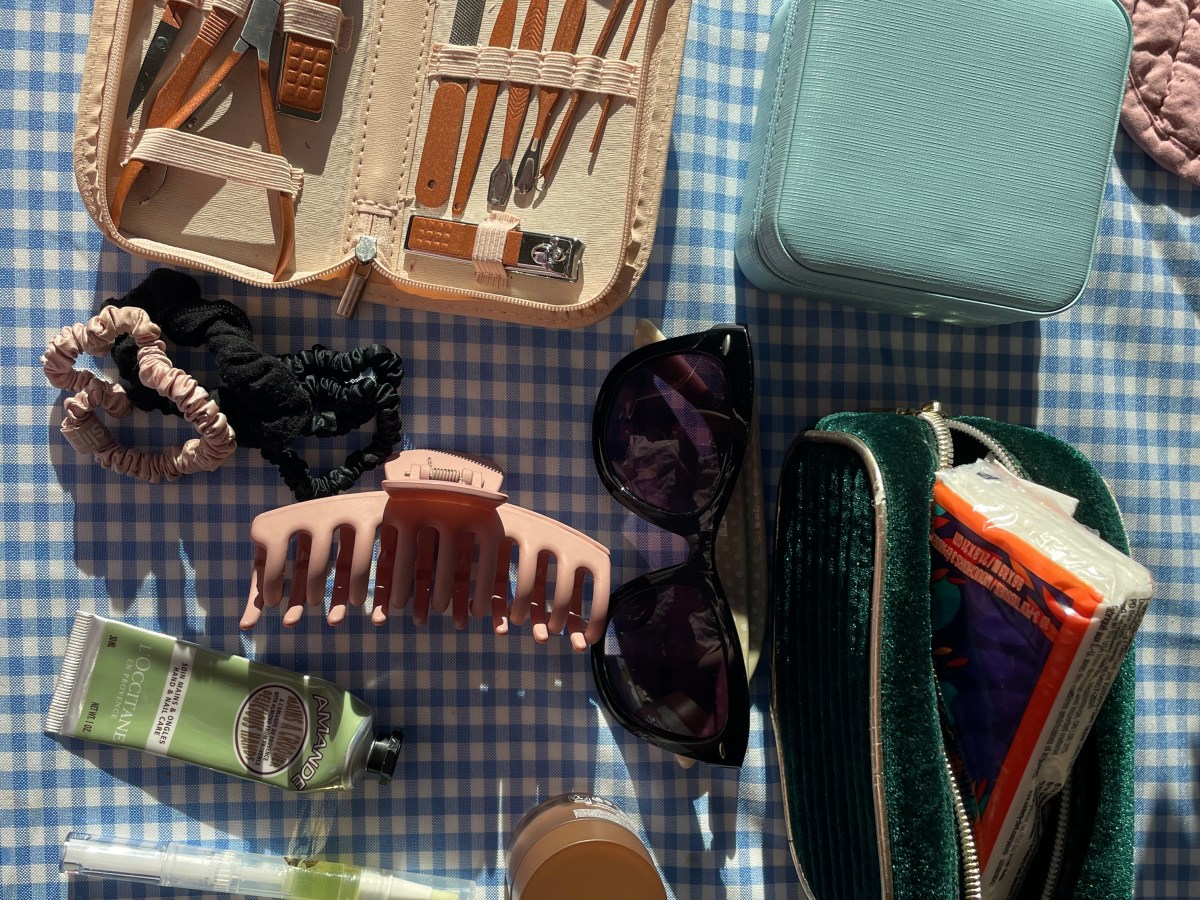
Are you someone who likes to stay organized, comfortable, and cozy when you travel? I do too! Here’s my travel essentials for your regular, weeks-long trip.


Leave a Reply