Is a 40-year-old man, dressed like a rat, gnashing at commuters’ ankles during rush hour? Are two middle schoolers having a messy public breakup while their friends smoke cigarettes? Is someone’s baby crawling barefoot on the floor? Or a man hanging upside down off the ceiling dressed as Spider-Man? Great, keep your thoughts and expressions to yourself — at least until you are off the train. (Bonus points for figuring out which one wasn’t real.)
Here is my complete guide to walking around and riding the subway in New York City. Once you understand the rules of engagement, I promise there’s no reason to be intimidated.

Background:
When I was a college student in New York City, I loved acting as an orientation guide for the new students. For me, watching 17- and 18-year-olds live their dream for the first time always got me in the right headspace for another year of hard work. As rewarding as I found the work, I got nervous for arguably our most important lesson to the students: NYC transit. After years of teaching this, I will give you the same pitch I gave my students: “I promise, the city wants you to get where you need to go.”
New York City has five boroughs (distinct areas/islands with their own personality and regional accents). For the purposes of this post, I am focusing on Manhattan. This is no shade to the other boroughs. I have lived in Manhattan and Brooklyn, have family from Brooklyn, the Bronx, and Queens.
The main “island” you think of when you envision New York City? That’s Manhattan. From a mass transit perspective, the subway system was designed to feed into Manhattan. The assumption was that people from the outer boroughs, traditionally more working class (although these areas are rapidly being gentrified), worked in the City Center, in Manhattan.
Neighborhoods:
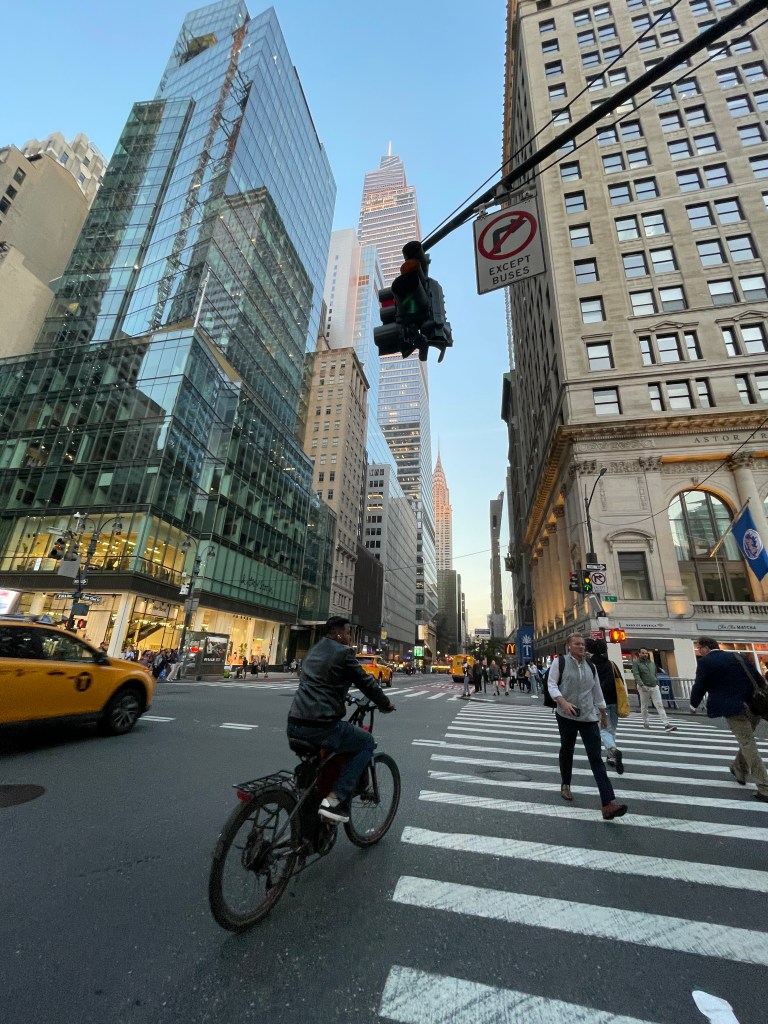
I love the neighborhood system in New York City for two reasons.
First, each area really does have its own charm and specialty. Knowing each neighborhood’s history can tell you what type of cuisine is best, about the architecture, and the residents. For example, who hasn’t heard of the Upper East Side? Gossip Girl and Sex and the City taught my generation about the prestige of living (and eating yogurt) by the Metropolitan Museum of Art (the Met). Leftover from the Gilded Age, Park Avenue (off of Central Park) still has historic mansions, many of which are now embassies, museums, or divided private residences for the Logan Roys of the world.
East of the Upper East Side, where subway access is less convenient, is Yorkville. Once a German neighborhood (the German population started in tenements on the Lower East Side in the late 1800s and migrated uptown when it was more sparsely populated in the early 1900s), Yorkville has been rebranded and is now considered part of the Upper East Side. Why did I give this history lesson? Because if you asked me where to get the best German food in NYC, I would send you to Yorkville. Knowing a bit about the neighborhoods makes exploring them so much more fun!
Second, because they give you directions in the name for a lot of them, it’s like a geographic cheat sheet.
- The Upper West Side is above the West Village. The Upper East Side is above the East Village. To the right of the West Village is Greenwich Village. To the right of that is the East Village.
- What are SoHo and NoHo? South of Houston and North of Houston (pronounced How-ston — sorry, Texans, I don’t make the rules). If you are trying to go downtown starting in SoHo and you end up in NoHo, oops, turn around and try again.
- The tip of Manhattan was the original Dutch settlement, so the street pattern there reflects Dutch planning. Wall Street? That was the original wall of the settlement.
Walking: Quick Rules
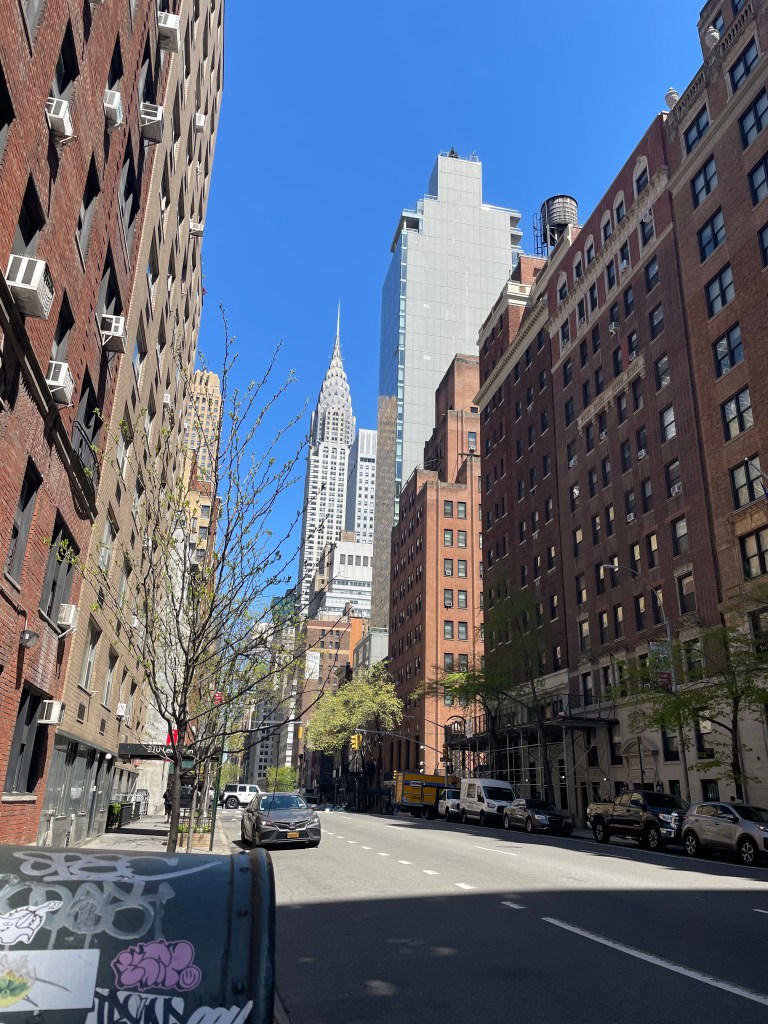
Directions
- Uptown means heading north / up higher on the map.
- Downtown means heading south / down lower on the map.
Understanding the Grid
- Streets run east to west and get higher in number as you move uptown. Example: 4th Street is downtown, but 114th Street is way uptown. These streets are entirely different neighborhoods.
- Avenues are not the same as streets! They run north to south. They start by the East River as letters (e.g., Avenue A, Avenue B) and then start at 1st Avenue. By the time you are close to the Hudson River, that’s 10th Avenue. Walking between avenues takes much longer than walking between streets.
- Think about Manhattan like a ladder: streets are the footsteps, and avenues are the long support poles.
- A city block is roughly 0.1 square mile, so no, 10 blocks is not that far.
Walking Tips
- Walking is most people’s form of transport. For me, anything under a 20-minute walk is an immediate yes. Why? If the tradeoff is 20–25 minutes of walking vs. taking the subway, bus, or taxi, four out of five times your feet will beat the traffic. I promise.
- In NYC, jaywalking is not just legalized — it’s the expectation. I would go so far as to say it’s an art form here. If you are visiting, please be careful: 1) trying this, 2) getting in the way of people who are walking quickly.
Safety
- When you cross the street, watch out for cars, but really watch out for bikes and motorized scooters. For those drivers, it’s the Wild West, and you are in their way.
Subway: Quick Rules
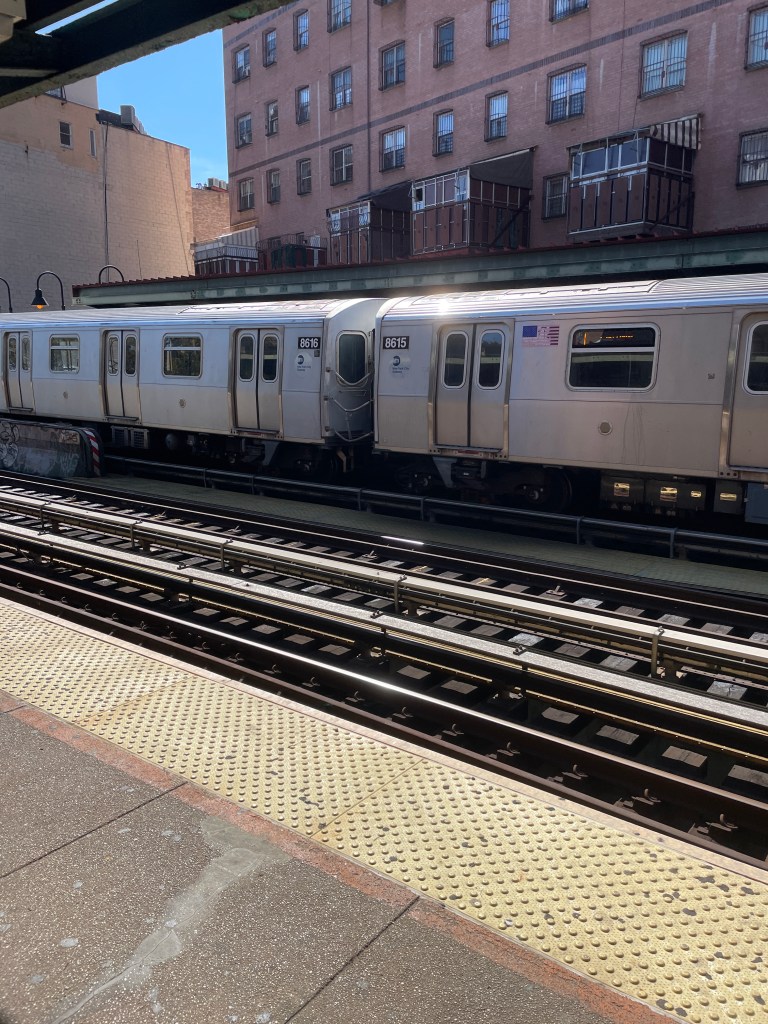
People say that New Yorkers aren’t nice — they’re kind. People won’t greet you, make eye contact, or apologize for knocking you over. But if there’s a single mom trying to get a stroller up the stairs, someone will quietly help. United in a hatred of raised subway fares and delayed trains, New Yorkers will hold the door for you while cursing out the conductor crackling on the intercom saying the train needs to leave the station. They will give up their seat for a group of preschoolers and ignore the rat eating vomit from drunk college students on the platform. Pay attention, and you’ll see this New York brand of kindness firsthand.
Directions
- Which direction are you going: Uptown or Downtown? Figure it out first, then enter the station. Some station entrances only serve one direction. I can’t tell you how many times I ended up in Brooklyn by doing this incorrectly.
- Know the difference between the express train and the local train.
Safety
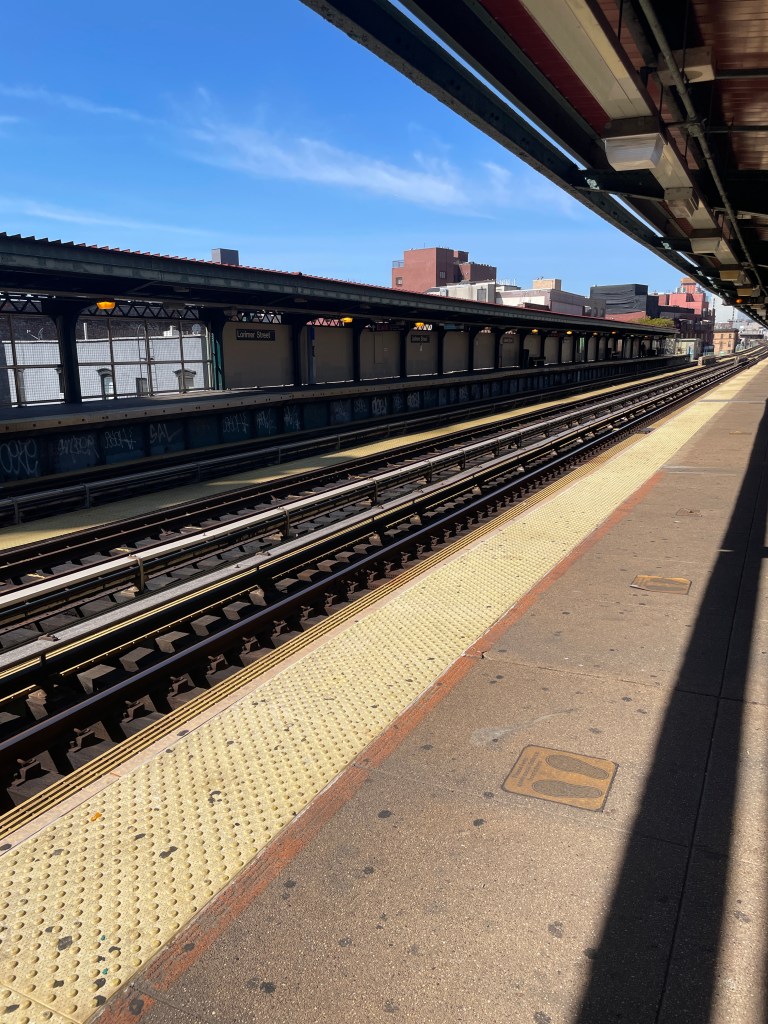
- Stand back until the train pulls in, behind that yellow line. This is a safety issue.
- Be vigilant. This is not the place to put your new iPhone in the back pocket of your jeans. Keep an eye on your surroundings.
- If you take the train during rush hour, thoughts and prayers. Prepare to be a sardine. I recommend downloading some serenity music and taking off your winter coat before the back-sweating starts.
Courtesy
- Use Apple Pay/your tap to pay. This year, MetroCards are going the way of subway tokens (aka extinct).
- Always offer a seat to children, the elderly, or pregnant persons. Courtesy is not dead in 2026.
- Packed Train? Follow what the crowd is doing: if the train is crowded and there is a whole row of seats open, I promise, you do not want to smell/sit on those seats. If people start jumping onto the seats, there’s probably a rat you haven’t seen yet.
- If people ask for money, look at the ground and don’t respond. Across the board, people tend not to make eye contact. This is seen as courteous because everyone is granted their own “standing” bubble of space. How awkward would it be to be in someone’s space and stare at them for 10, 15, or 20 minutes?
Final Thoughts:
I’ve written about walking, navigating, and riding the subway in New York City. Are there more forms of transport? Sure. There are city buses, Ubers/Lyfts/Taxis, public ferries, and Citi Bikes. But if you are visiting for the first time, you will probably be walking, taking a cab, or riding the subway. Now that you’ve read my guide, I know you’re armed with the knowledge to navigate like a local now — rats, sharp elbows, train delays and all.
Related Posts:
Wanna read another post like this? Click on the links below!

New York City Bagels: The Authentic Experience
Traveling to New York City? Here’s my local guide to how to order and enjoy a bagel like a local!


Leave a reply to New York City Bagels: The Authentic Experience – Carly Travels Cancel reply